More and more Chinese millennials and Gen Z are embracing pet parenthood as a conscious alternative to traditional family structures, redefining love, responsibility, and companionship in urban life.
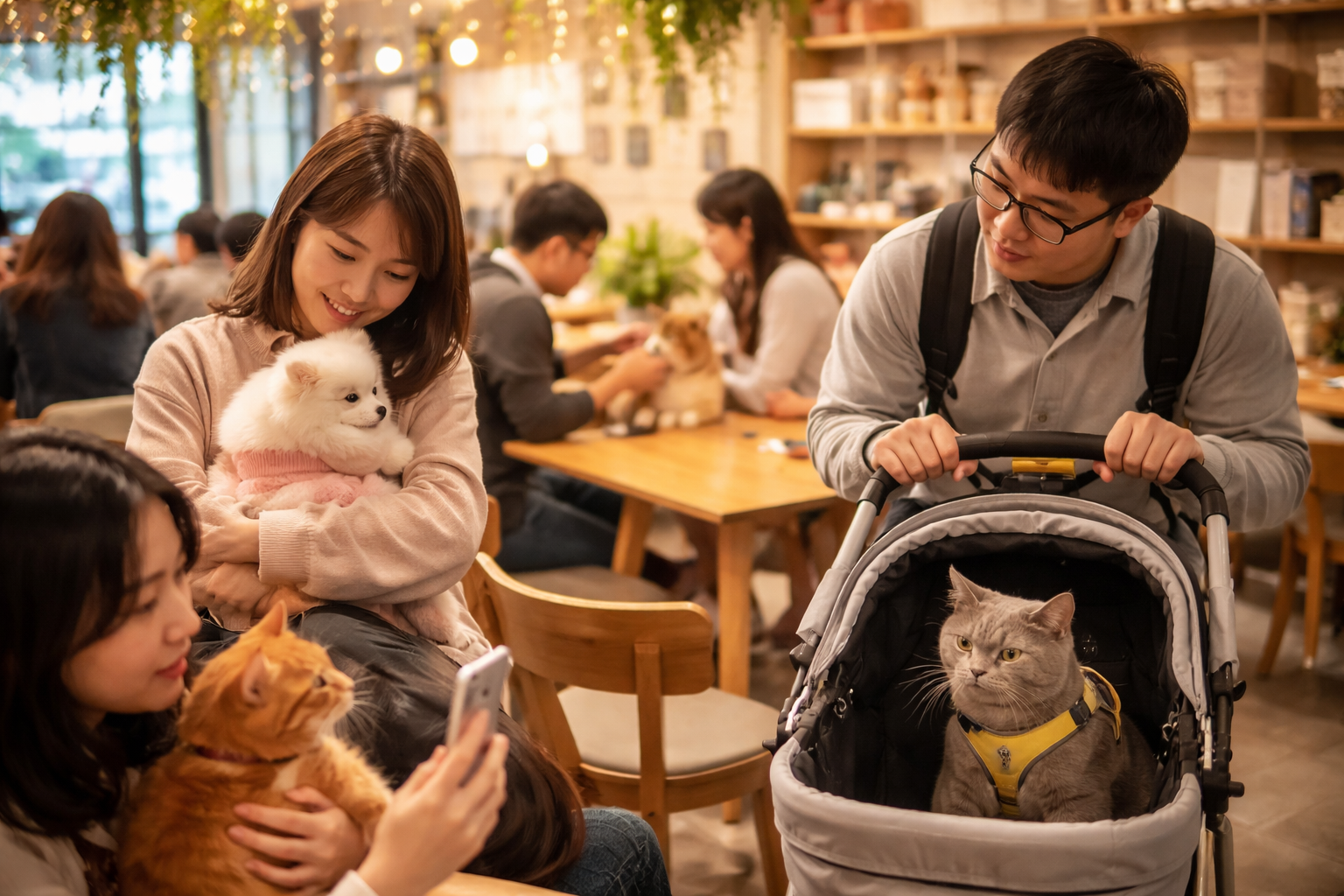
Walk on the street in China, especially in big cities like ShangHai, or walk into a pet café, you’ll notice something quietly radical: young adults cradling cats and dogs with the tenderness once reserved for babies. Strollers aren’t gone — they’ve just been repurposed. Baby talk still fills the air — it’s just directed at fur-covered listeners.
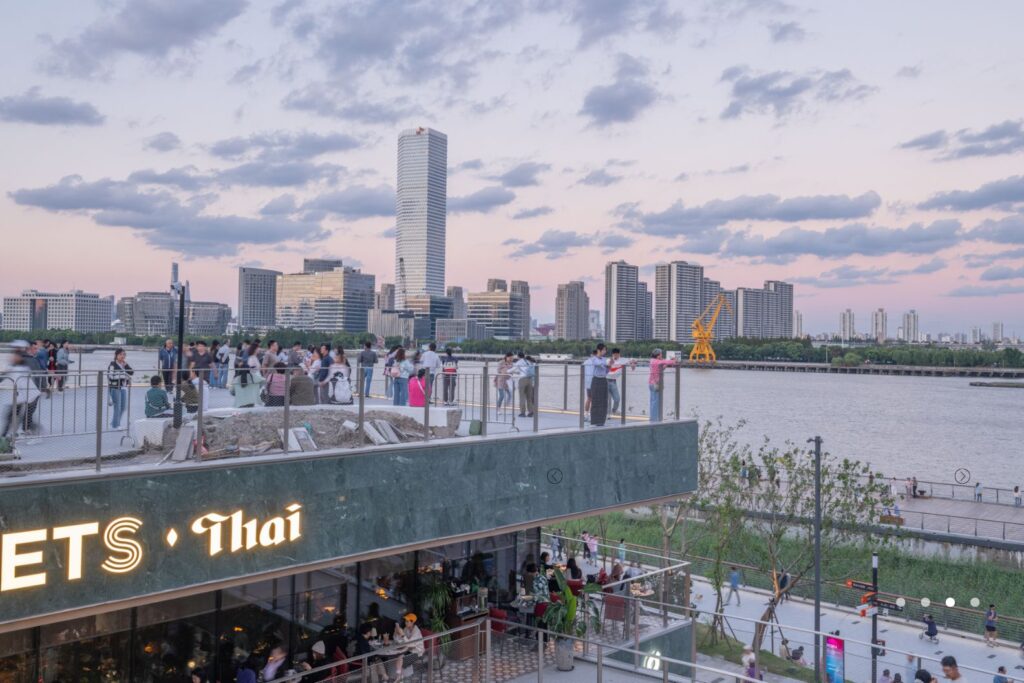
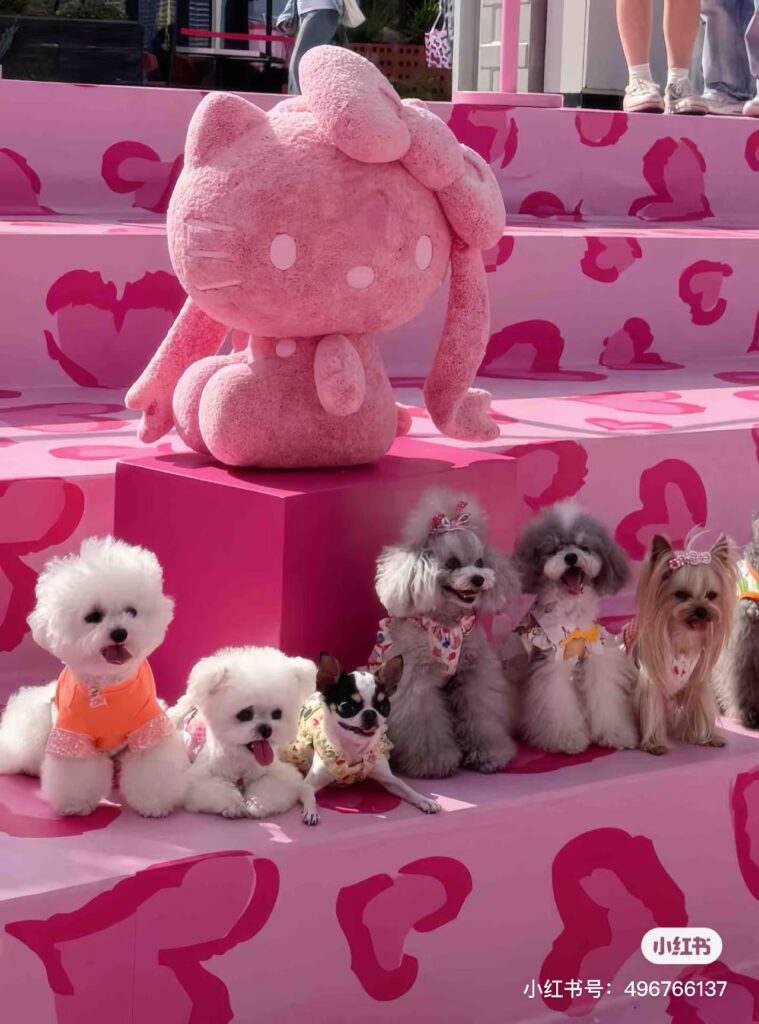
Places like 2Pm Cat in Huangpu or Hello Corgi in Pudong have become gathering spots where young people can indulge their affection, sip coffee, and share playful moments with their pets. This isn’t just casual hobby — it’s part of a broader cultural shift.
From “Raising Kids” to “Raising Companions”
China’s declining birth rate has been widely discussed, often framed around economics: high housing prices, education costs, career pressure. All of that is true. But the rise of pet parenthood tells a more emotional story.
For many young people, pets offer companionship without the overwhelming expectations tied to marriage and children. A dog or cat provides unconditional affection, emotional stability, and daily structure — without social judgment or generational pressure.
Pets are not seen as animals anymore. They are children, friends, emotional anchors.
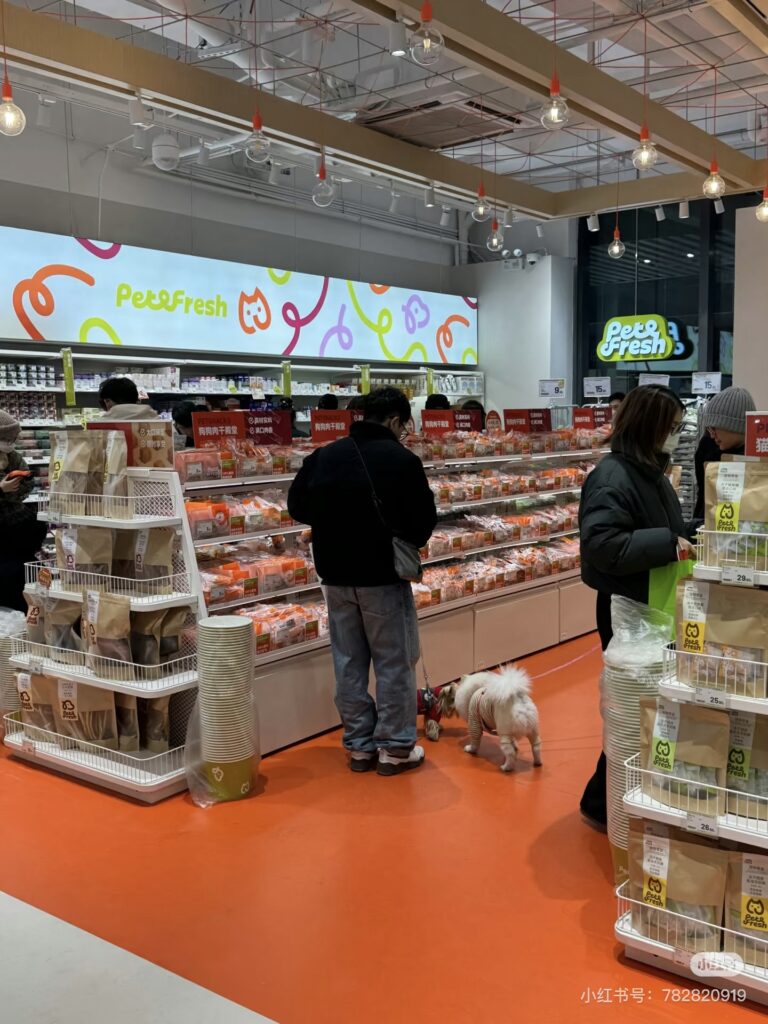
A pet supermarket in ShangHai
Owners refer to themselves not as “pet owners,” but as 宠物家长 (pet parents). They celebrate pet birthdays, track nutrition with the precision of infant feeding schedules, and refer to their animals as “my son” or “my daughter” without irony.
In a society long centered on family obligation, this shift is quietly profound.
Spending Like Parents, Not Owners
This emotional upgrade has triggered an economic one.
China’s pet economy has evolved far beyond basic food and grooming. Today’s young pet parents are willing to spend generously — and deliberately — on their fur friends.
Premium pet food, organic treats, functional supplements, pet probiotics, dental care, joint health formulas — products once considered excessive are now mainstream. Smart feeders, GPS collars, pet cameras, automatic litter boxes, and temperature-controlled pet beds reflect a broader trend: pets are getting the same lifestyle upgrades as their humans.
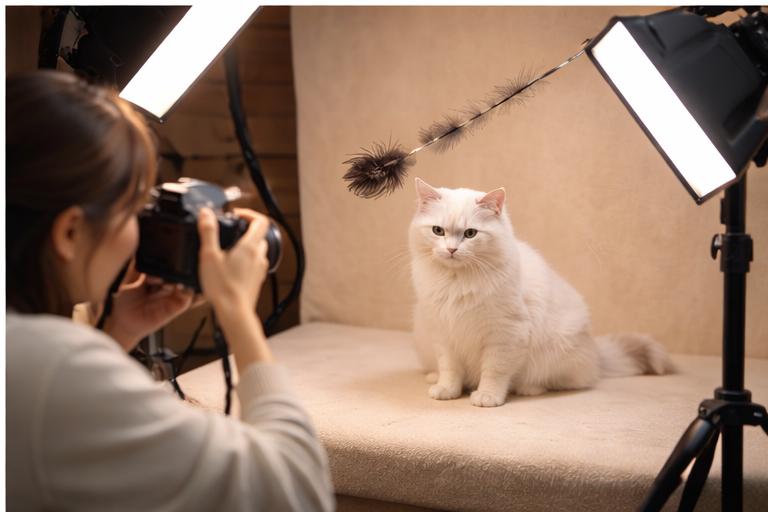
Services have followed suit. Pet insurance, behavioral training, pet photography, luxury boarding hotels, daycare centers, acupuncture, rehabilitation clinics, even pet funeral services — the ecosystem has rapidly expanded to support every stage of a pet’s life.
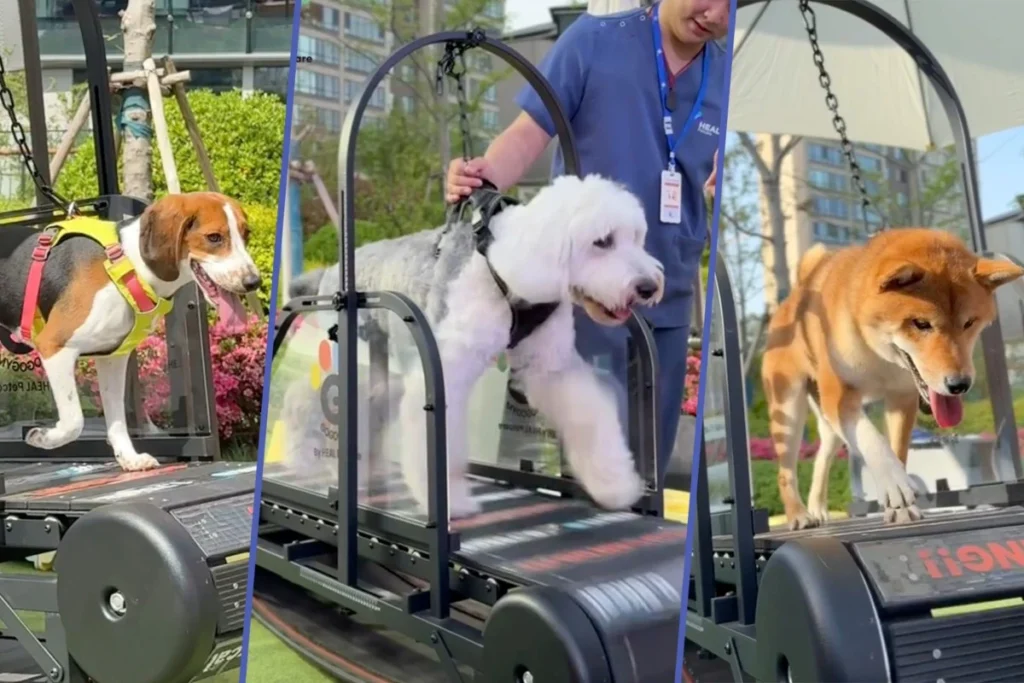
China also opened its first pet gym, which had recently opened, offered swimming pools, treadmills, and fitness coaches to help animals stay healthy in ShangHai.
Imagine credit to SCMP
This isn’t impulse spending. It’s value-driven consumption rooted in care, guilt, and emotional investment.
“I can’t give them siblings,” one pet owner said, “so I want to give them the best life possible.”
Emotional Economy Meets Urban Reality
China’s urban reality plays a crucial role here. Smaller apartments, long working hours, delayed marriage — pets fit modern city life better than traditional family structures.
At the same time, young people face rising loneliness and emotional fatigue. Pets provide something rare in a hyper-competitive environment: non-transactional affection.
Unlike romantic relationships or workplace connections, pets don’t come with expectations of success. They don’t ask you to perform. They just stay.
This emotional reliability has turned pets into emotional infrastructure — a quiet but powerful force shaping daily routines, spending habits, and even housing decisions.
An Industry Born From Feeling, Not Fashion
What makes China’s pet boom particularly interesting is that it’s not trend-driven. It’s emotion-driven.
This is not about copying Western lifestyles or following social media aesthetics — though both play a role. It’s about young people reclaiming control over how and where they invest their care.
And that’s why the industry continues to grow even amid economic uncertainty. When people cut spending, they don’t cut spending on love.
Brands that understand this — those that speak to responsibility, companionship, and emotional well-being rather than cuteness alone — are the ones winning loyalty.
Pet parenthood in China doesn’t necessarily reject family. It redefines it.
For a generation navigating pressure, uncertainty, and redefining success on their own terms, pets offer a form of intimacy that feels achievable, meaningful, and sustainable.
They are not replacements for children. They are reflections of a generation learning to care — differently.
And in that shift, an entire industry has found its heartbeat.
 Glory Post